
"Dutch colonial coffee"
500 article(s) found

Global coffee producing area-Suriname
Suriname (Surinam) was the first country in South America to grow coffee. The Dutch who settled in Suriname in 1667 introduced coffee trees from Java in the early 18th century. The first coffee trees were given by the mayor of Amsterdam to a Flemish pirate, a Hansback. To be exact, these coffee trees were planted in the Dutch Gui at that time.
Coffee from Suriname
Suriname (Surinam) was the first country in South America to grow coffee. The Dutch who settled in Suriname in 1667 introduced coffee trees from Java in the early 18th century. The first coffee trees were given by the mayor of Amsterdam to a Flemish pirate, a Hansback. To be exact, these coffee trees were planted in the Dutch Gui at that time.
Introduction of global boutique coffee producing area Suriname
Suriname (Surinam) was the first country in South America to grow coffee. The Dutch who settled in Suriname in 1667 introduced coffee trees from Java in the early 18th century. The first coffee trees were given by the mayor of Amsterdam to a Flemish pirate, a Hansback. To be exact, these coffee trees were planted in the Dutch Gui at that time.
Suriname, a global coffee producer
Suriname (Surinam) was the first country in South America to grow coffee. The Dutch who settled in Suriname in 1667 introduced coffee trees from Java in the early 18th century. The first coffee trees were given by the mayor of Amsterdam to a Flemish pirate, a Hansback. To be exact, these coffee trees were planted in the Dutch Gui at that time.

Faintly fruity Dominica Santo Domingo Coffee Flavor Manor
At the beginning of the 17th century, when French, Dutch and British pirates were operating in the west of Hispaniola, France began to allow farmers and merchants to gradually colonize the western part of the Spanish island, which was blocked by mountains on the island. It didn't attract the attention of the Spaniards in the east. [3] in 1677, about 4,000 French lived in 11 villages in the west of the island. In 1697, France and

The characteristic flavor of civet coffee
Kopi Luwak is made in Indonesia. In the early 18th century, the Dutch established coffee plantations in the Indonesian colonies of Sumatra and Java, and banned locals from picking and eating their own coffee fruits. Indonesian locals inadvertently found that civets love to eat these coffee fruits and will drain the beans intact when defecating. The civet can only pick the most familiar.
Coffee information Coffee spread worldwide
The story of how coffee was grown and drunk all over the world is one of the greatest and most romantic stories in history. The story begins in Ethiopia, on the tip of Africa, where coffee was most likely born in the Kafa region. There are all sorts of uncertain claims about the discovery of a method for roasting coffee beans. One of the stories is that an Ethiopian shepherd found his

Introduction to the characteristics of Dominica coffee flavor and taste manor area
At the beginning of the 17th century, when French, Dutch and British pirates were operating in the west of Hispaniola, France began to allow farmers and merchants to gradually colonize the western part of the Spanish island, which was blocked by mountains on the island. It didn't attract the attention of the Spaniards in the east. [3] in 1677, about 4,000 French lived in 11 villages in the west of the island. In 1697, France and

What do you know about Indonesia's Mantenin? Manning's suggestion on the proportion of hand flushing
Professional coffee knowledge exchange more coffee bean information please follow the coffee workshop (Wechat official account cafe_style) Mantenin birthplace: Mantenin's predecessor is Java coffee, at that time the Dutch moved Java coffee to the hills on the west side of Sumatra bordering the Indian Ocean, that is, Mandainingao on the border between Jiangsu and Jiangsu provinces, in order to facilitate the export (Indonesia is a Dutch colony).

What on earth is Kopi Luwak? How is Kopi Luwak made?
Kopi Luwak is just another name for this coffee. Its official name is Kopi Luwak. Kopi means coffee in Indonesian, and Luwak refers to a wild animal called a civet. The origin of civet coffee can be traced back to the colonial era in Indonesia, when the Dutch government banned local people from eating and roasting coffee in the coffee garden, but accidentally found wild civets eating in the back row of the garden.

A brief introduction to the History of Sumatra Mantenin Coffee beans description of the flavor of Indonesian Sumatran coffee
For more information about coffee beans, please follow the history of Sumatran coffee introduced to the Indonesian islands by the Dutch in the 16th century and first exported by the Dutch East India Company in the early 17th century. Netherlands
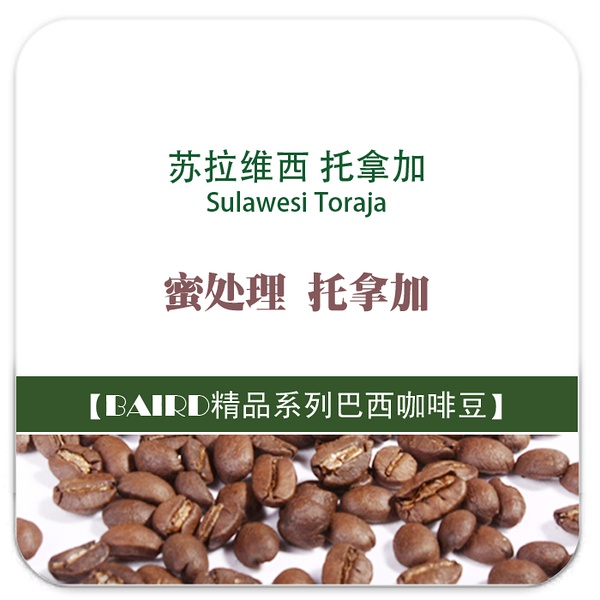
Sulawesi Tonaga Sulawesi Toraja coffee beans Toraja bucket how to soak how to drink?
Sulawesi Sulawesi Toraja: the main producing areas of Indonesian coffee beans are Sumatra, Java and Sulawesi. Sulawesi is one of the largest islands in Indonesia. Sulawesi, the former Dutch colony of Sulawesi, formerly known as Celebes, met the sea by a sailor in 1511.
The spread of coffee all over the world
The story of how coffee is grown and consumed all over the world is one of the greatest and romantic stories in history. The story begins in Ethiopia on the Cape of Africa, where coffee is most likely born in the Kafa region. There are all sorts of uncertain theories about the discovery of the method of roasting coffee beans. One of the stories is that an Ethiopian shepherd found him.

History of G1 coffee beans cultivation in Toraja, Sulawesi, Indonesia? Coffee beans before.
Professional coffee knowledge exchange More coffee bean information Please pay attention to coffee workshop (Weixin Official Accounts cafe_style) Indonesian Sulawesi Toraja G1 coffee bean planting history? [Sulawesi] The front street of coffee beans recommended hand-washed data? Sulawesi Sulawesi formerly Celebes, is an island of Indonesia, Sulawesi Island, is also the 11th largest island in the world, geography

The History of Tea Industry in Sri Lanka and the Historical Story of James Taylor, the Father of Ceylon Black Tea
Sri Lanka's history is as fascinating as the country itself. Many years ago, the country had a strong culture and heritage, and it was ruled by kings for many generations. As early as the 16th century, the country was invaded by many foreign forces who came here in search of spices, gems and other treasures. Since the beginning of colonial history in the 16th century, the country has been dominated by the Portuguese, the Dutch and

The history of cat shit coffee originated from Java and Sumatra in Indonesia, Indonesia coffee specialty
The origins of cat poop coffee can be traced back to the beginnings of Indonesia's coffee industry, which began in the 18th century when Dutch colonists established coffee plantations in Java and Sumatra, Indonesia's islands known as the Dutch East Indies. Their coffee berry plantations include small berry coffee imported from Yemen. During the colonial period from 1830 to 1870, those
Popular Kopi Luwak, Thai shit coffee, Brazilian sparrow shit coffee, actually the excretion of palm cats
The history of Kopi Luwak can be traced back to the beginning of the Indonesian coffee industry, which began in the 18th century, when Dutch colonists established coffee bean plantations on the Indonesian islands of Java and Sumatra, also known as the Dutch East Indies. Their coffee and fruit plantations include small fruit coffee imported from Yemen. In the colonial era from 1830 to 1870, those

Characteristics of civet coffee flavor Kopi Luwak of civet coffee
Kopi Luwak is made in Indonesia. In the early 18th century, the Dutch established coffee plantations in the Indonesian colonies of Sumatra and Java, and banned locals from picking and eating their own coffee fruits. Indonesian locals inadvertently found that civets love to eat these coffee fruits and will drain the beans intact when defecating. The civet can only pick the most familiar.